
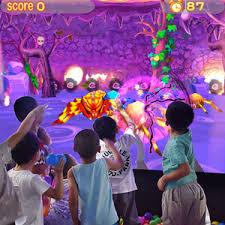


Like many games, our games are easy to learn and difficult to master. Reflexes, quick thinking, good strategy, relying on teammates, and athleticism all play a role in becoming a champion competitor.
1- Follow all attendant instructions.
2- No running, climbing or crawling.
3- No physical contact or foul language.
4- No wet shoes allowed in the game arena.
5- Experienced players should show good sportsmanship by
helping inexperienced players.
6- No Bullying any other players.
7- Not food or beverages allowed in the games area
No be aggressive or bash to other players, it is a game, so enjoy it and always stay calm.
Any player who shows angry, or aggressive during the games will be advised to walk out
immediately.
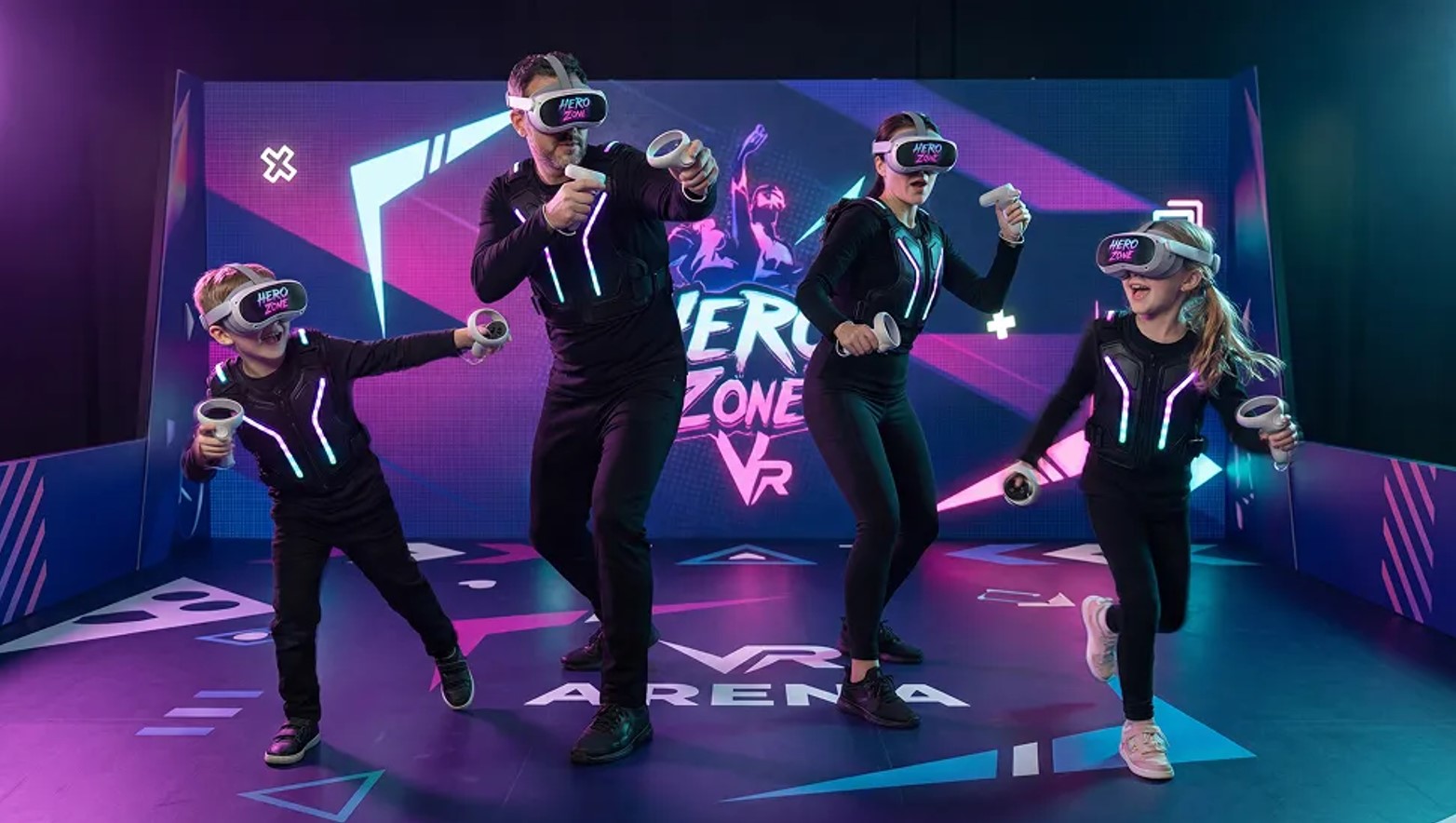
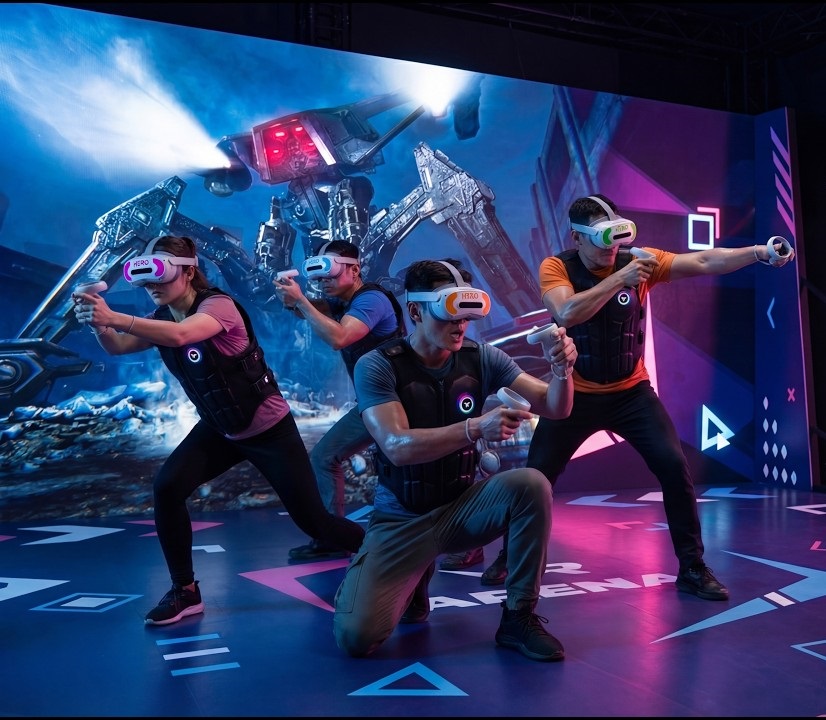
Hero Arena games have become a unique form of fun for young people and adults, assembling collaboration and connection among participants in an exciting and dynamic game for all ages. Hero Arena is ideal for birthdays, family and school events, and/or work meetings. Hero Arena's appeal lies in its blend of fun, physical activity, and strategic play, making it accessible to a wide range of ages and interests. The game's interactive nature, combined with immersive arena design and engaging game modes, further enhances the experience.

Hero Arena provides an exceptional opportunity to sweat, to raise your adrenaline
levels, to boost team
office
morale by engage
in friendly competition, to enjoy off with family and friends, or simply for relax and release from day to day
stress.
No defensive apparel is required since the "weapons" shoot invisible infrared light emissions.
More than a simple game, Hero Arena become an adventure, a journey to an imaginary world where excitement has
not limit.
Who SHOULD NOT play in Hero Arena
Pregnant women, those who suffer from asthma, are epileptic, suffer from seizures
caused by fog or strobe lights, have vision, heart, neck or back problems, have high
blood pressure, motion sickness, vertigo, have had aneurysms or recent surgery or illness,
equilibrium or ear problems, are diabetic or have any other health or physical condition
that could be affected by this attraction.
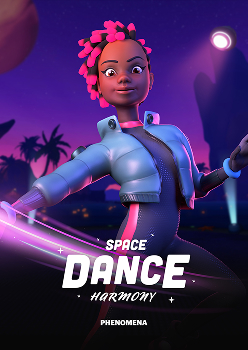
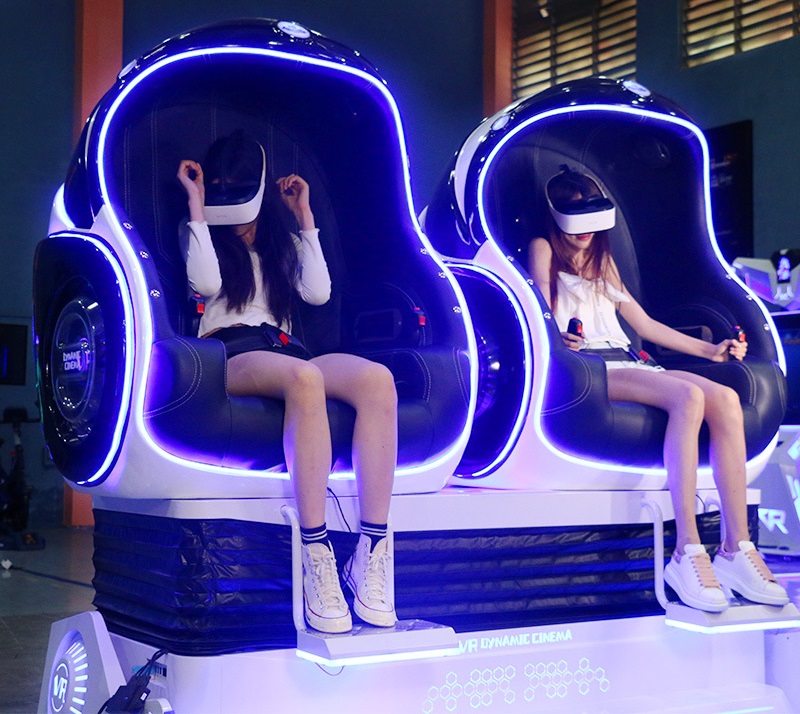
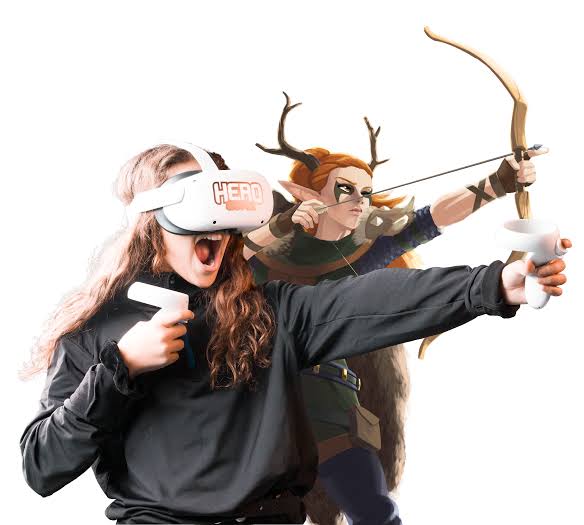
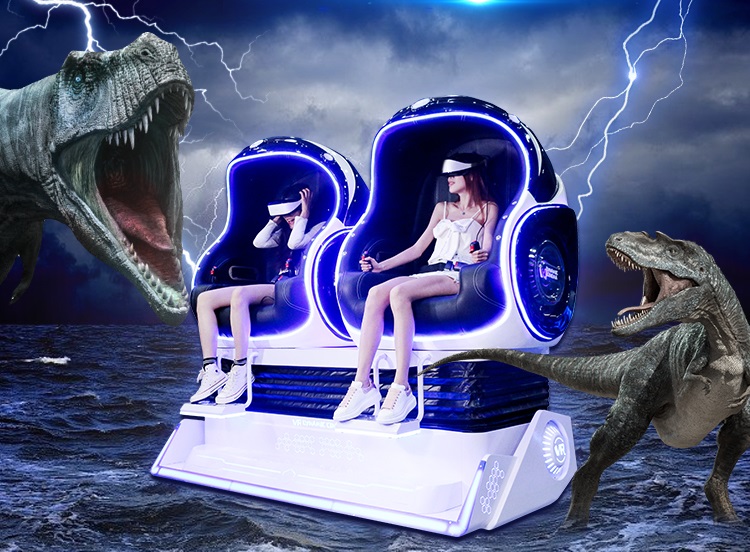
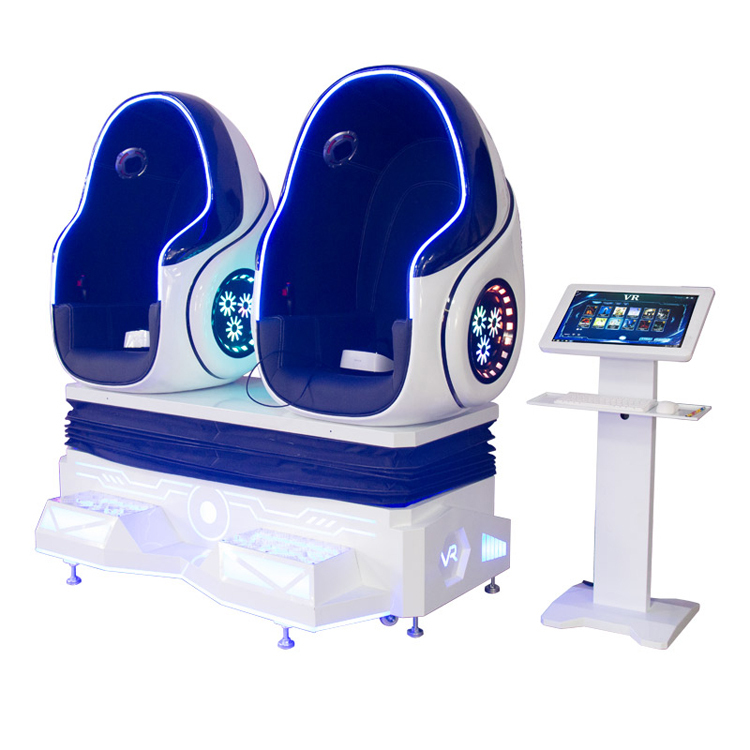
Virtual reality (VR) games are attractive due to their immersive nature, allowing
players to feel truly
present in virtual worlds. This feeling of presence is achieved through VR's ability to engage multiple
senses, like sight, sound, and even movement, making the game feel more real and engaging.
Build on detailed and interactive worlds make most of VR games a hand-tracking and spatial audio unique,
this makes the game feel more real and engaging, drawing players into the experience that feel more real to
players.
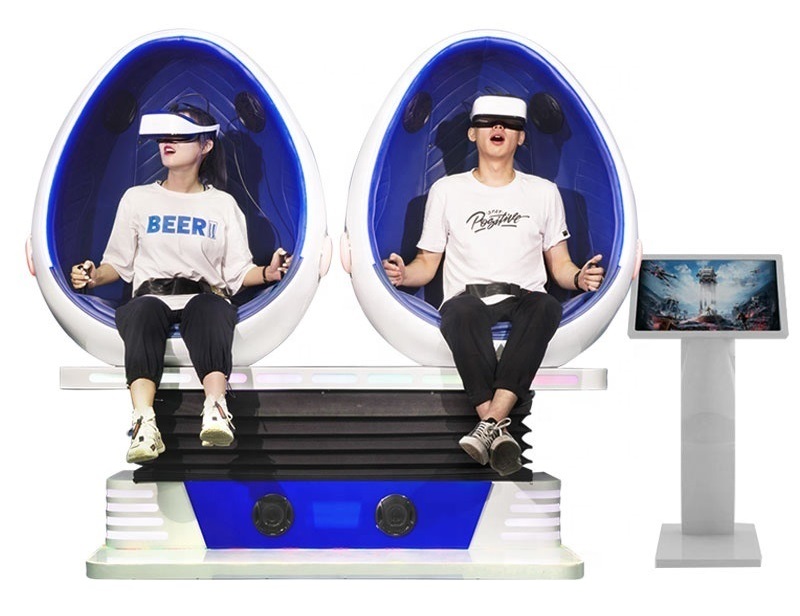
The most significant aspect of virtual reality (VR) games is their unparalleled level of immersion. By removing the traditional barriers of screens and controllers, VR places players directly into the game world, creating a highly engaging and realistic experience. This immersion is enhanced by features like head-tracking, haptic feedback, and spatial audio, further blurring the lines between the virtual and real worlds.
Who SHOULD NOT participate in Virtual Reality(VR) games
Individuals with certain health conditions, young children, and those easily prone to motion sickness should
avoid
VR games. VR can be particularly problematic for those with vision abnormalities, psychiatric disorders, heart
conditions, or other serious medical conditions, as well as pregnant individuals and the elderly.
Additionally, young children under 13 may experience eye strain, motion sickness, and the potential for
exposure
to age-inappropriate content.
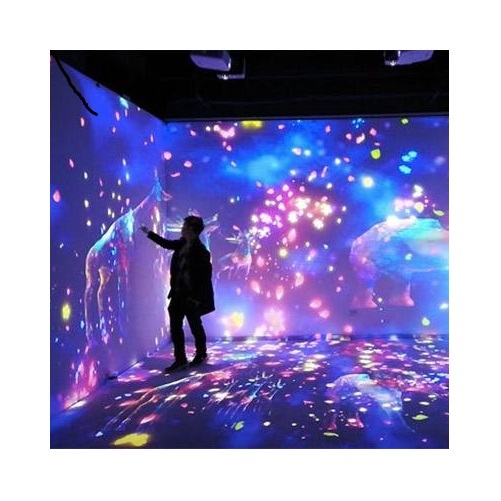
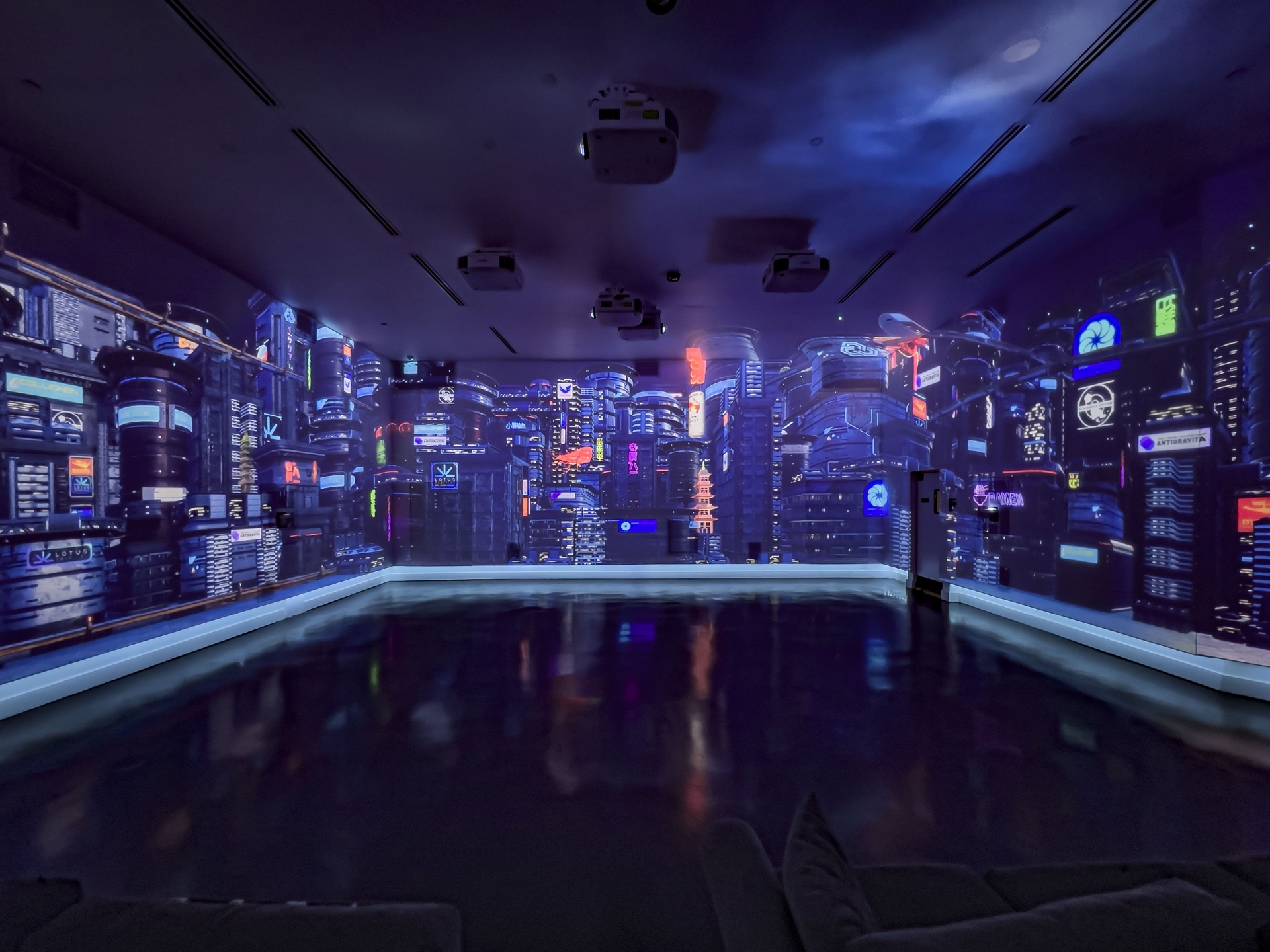
A 3D immersive room is a physical space designed to completely envelop multiple participants within a shared, interactive, and seamless digital environment. Unlike traditional Virtual Reality (VR) headsets that isolate a single user from their surroundings, these spaces rely on technologies like multi-wall projection mapping, LED panels, spatial audio, and real-time motion tracking to let a group of people collectively share a digital experience. Instead of looking at a screen, visitors stand inside the canvas itself, allowing them to collaborate, learn, or interact naturally.
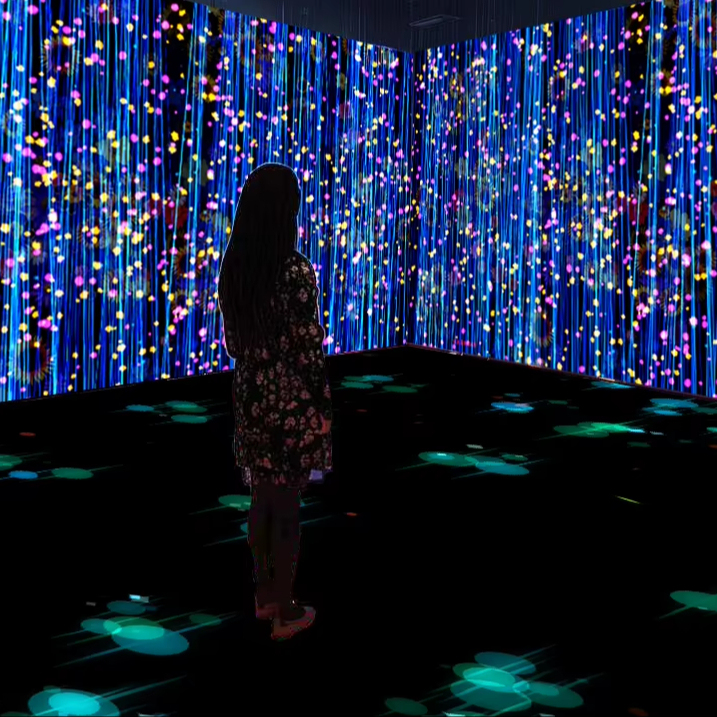
3D immersive rooms center around their ability to blend the digital and physical worlds for multiple users simultaneously without isolating them from their physical surroundings, the immersive room transforms the actual physical environment and shifts the digital experience to the sum of a user’s cognitive, emotional, and physical responses while interacting with a shared, blended digital-physical environment.
While 3D immersive rooms are generally much more comfortable than virtual reality headsets, certain
individuals
should exercise caution or avoid participating entirely. The primary health and safety concerns stem from
intense
Who SHOULD NOT participate in 3D Immersive Room Experience
Individuals with photosensitive epilepsy, people prone to severe motion sickness or vertigo, individuals with
severe anxiety or claustrophobia, people with uncorrected binocular vision disorders, individuals with
mobility or
balance impairments.
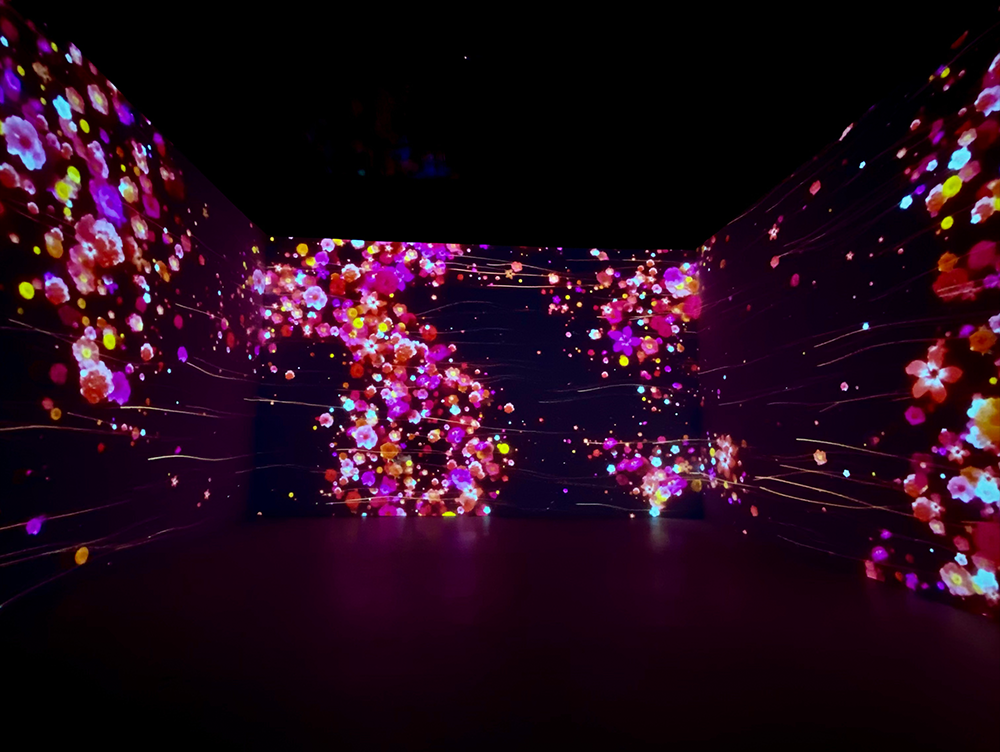
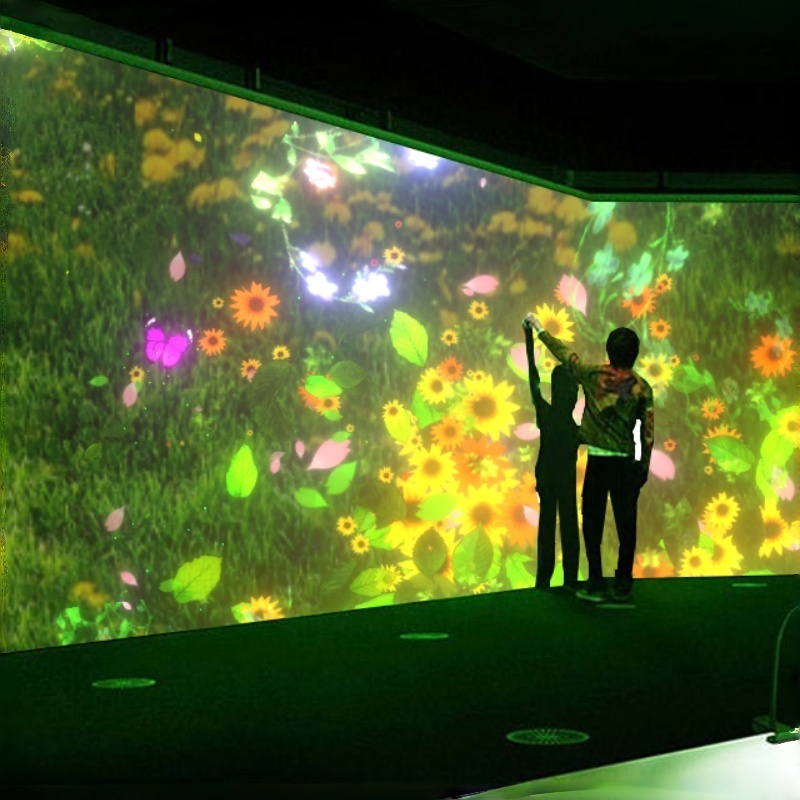
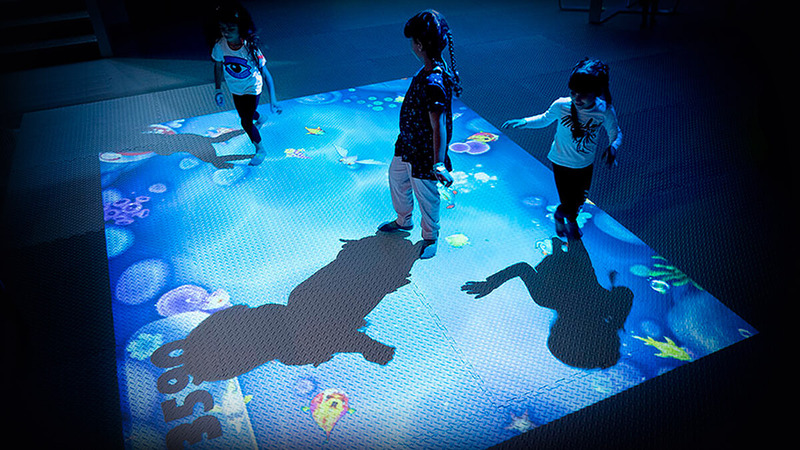
Floor and wall projections use of multi-surface projection mapping and real-time motion sensors to turn ordinary event spaces, attractions, and venues into interactive, high-impact social hubs. It deliver pure fun, competition, and shared awe transforming walls and floors into reactive playgrounds where groups can play arcade games, step into surreal environments, or enjoy multi-sensory storytelling.
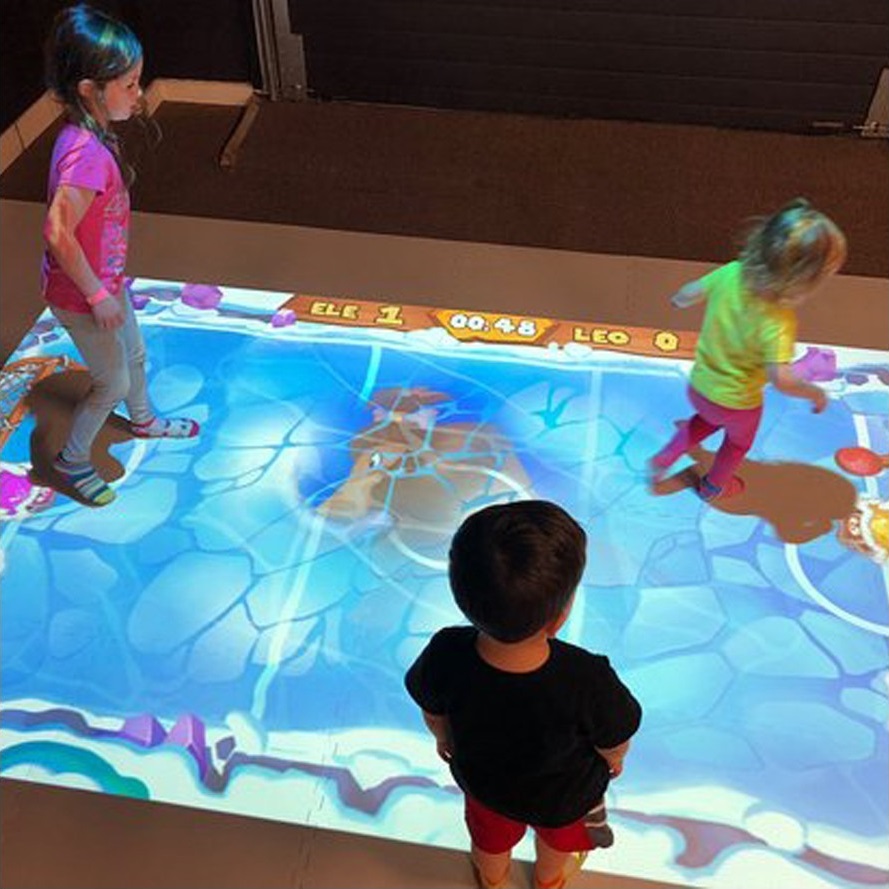
Interactive floor and wall projection games are simple and very funny, kids love it. They blend unexpected physical comedy with cartoonish digital reactions. By tracking your body movements, these systems create a chaotic environment where real-world clumsy actions result in immediate, satisfyingly absurd digital consequences.

While floor and walls projection games are incredibly engaging and generally safer, they are highly active,
bright, and sensory-heavy. Certain individuals should avoid participating or take strict precautions to
prevent injury or medical complications.
Who SHOULD NOT participate in Floor and Walls Projection Games
Individuals with photosensitive epilepsy or migraine triggers, people with severe balance, gait, or
mobility impairments, anyone prone to moderate-to-severe motion sickness, individuals with reduced spatial
or situational awareness, people with acute physical or orthopedic injuries.
Virtual Reality Games Immersive Experience
COME, DISCOVER, ENJOY